
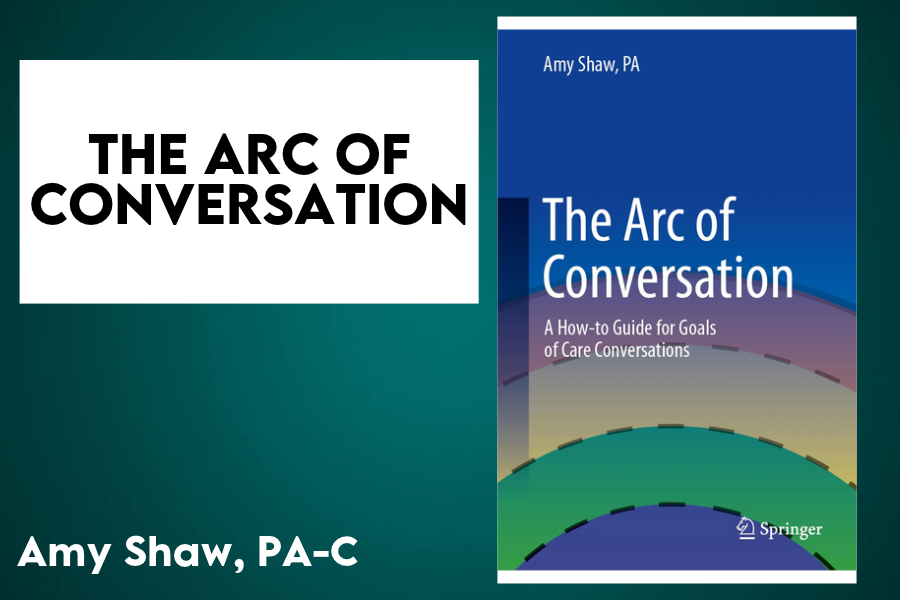
Intending to fill an important gap in medical training, this book presents an easy-to-learn, standardized approach to having compassionate and collaborative goals of care
conversations with patients and families, a skill that can be difficult for clinicians to learn and that is not part of standard medical education curricula.
Developed by a Palliative Care provider, this is the first book to teach everything clinicians need to know to gently guide patients and families through what can often be
difficult discussions about illness, disease, end-of-life wishes, and hospice care. This technique can be used to discuss any medical diagnosis or treatment, be employed at
any age or stage of an illness, and can be used by health care professionals at any level.
Readers will be introduced to the patterns of decline patients follow toward the end of life, criteria for recognizing when a patient’s time is limited, hospice care, ground
rules for compassionate communication, and a step-wise method of leading patients and families through difficult goals of care conversations in a collaborative way. The
book includes specific questions to ask and starter language clinicians can use for developing their own patient-friendly talking points about disease progression, the end
of life, concerns that a patient’s time is limited, advanced directives, code status, and hospice care. An Arc of Conversation Guide, for use when learning this technique, is also included.
While modern medicine is terrific at acute stabilization of illness or injury, it often ignores the elephant in the room—disease progression and death. By doing so, the healthcare system frequently misses opportunities to align patient wishes with the care they receive. Furthermore, physicians often avoid difficult conversations with patients due to a lack of training or the assumption that hospice care represents medical or personal failure. Incorporating the material and technique taught in The Arc of Conversation into everyday practice will enable clinicians to acknowledge and discuss patient decline and to confidently include hospice care as a viable option for treatment that can support patient values, wishes, and priorities. Moving toward a continually collaborative approach with patients—a shift away from physician-directed care to patient-centered care—will enable clinicians to develop treatment plans that prioritize outcomes that matter most to patients and families, improving patient and family experience of health care across their lives and providing patients with the ‘soft landing’ they want at the end.
Learn More About Amy Shaw
Amy Shaw, PA-C, is a physician assistant, author, educator, and founder of Better Dementia®, an organization dedicated to helping families navigate the challenges of cognitive decline with greater understanding, confidence, and compassion.
Throughout her clinical career, Amy has cared for more than 700 people living with dementia and their families, guiding them from diagnosis through the final stages of life. Her work encompasses dementia assessment and diagnosis, management of psychiatric and behavioral symptoms, decision-making capacity, advance care planning, and the complex medical, practical, and emotional decisions families face throughout the dementia journey.
Drawing on this experience, Amy developed the Better Dementia® Journey Framework, a caregiver-centered approach that helps families recognize patterns of cognitive and functional decline, anticipate changing needs, and adapt their caregiving strategies to the abilities that remain. Through Better Dementia®, she provides education and consultation to families and training for professional caregivers and care organizations.
She is also the author of The Arc of Conversation: A How-to Guide for Goals of Care Conversations (Springer, 2025), a book exploring end-of-life decision-making and the conversations that shape care.
Her forthcoming book, Better Dementia: A Caregiver’s Roadmap (2027), will teach families and caregivers how to recognize where their loved one is in the dementia journey and how to provide the right support at each stage. Built on the Better Dementia® Journey Framework, the book guides caregivers through four stages of change across the areas of daily life dementia affects most, and shows how to adapt care to the abilities that remain. Rather than focusing on what is lost, it centers on what stays: the need to feel competent and in control, and the social awareness that persists long after other skills fade. The result is a practical roadmap for families who have been navigating dementia without one.
Amy lives in Cheyenne, Wyoming, where she enjoys spending time with her husband, David, their family, and their three dogs, Juno, Kiki, and Ripley.
