
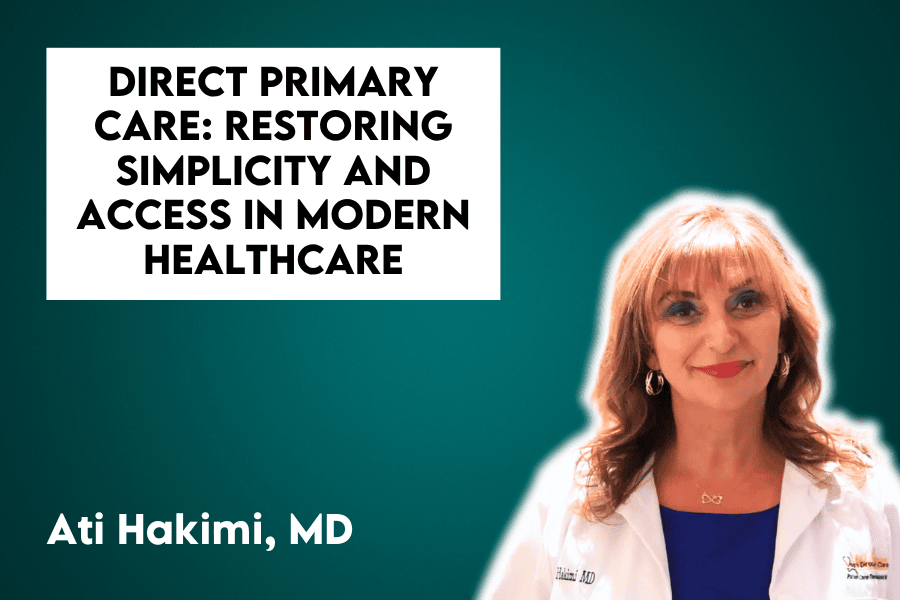
Direct Primary Care: Restoring Simplicity and Access in Modern Healthcare
As healthcare costs continue to rise and administrative complexity grows, both patients and physicians are increasingly questioning whether the traditional system is serving anyone well. Long wait times, rushed visits, and opaque billing have become common frustrations.
In response, alternative care models are gaining traction—none more notably than Direct Primary Care (DPC). Built around simplicity, transparency, and relationship-driven care, DPC offers a fundamentally different approach to primary care delivery.
What Is Direct Primary Care?
Direct Primary Care is a membership-based model in which patients pay a flat monthly fee directly to a physician or practice. In exchange, they receive a broad range of primary care services without traditional insurance billing.
Rather than billing per visit or procedure, DPC focuses on ongoing access and continuity of care.
Common Features of DPC Practices
Same- or next-day appointments
Longer, unhurried visits
Direct communication with the physician (text, phone, or email)
Preventive care and chronic disease management
Discounted or at-cost labs and medications
By eliminating insurance billing for routine care, DPC practices significantly reduce administrative overhead—allowing physicians to spend more time where it matters most: with patients.
Why the Model Is Gaining Momentum
DPC is not new, but it is growing rapidly as both patients and clinicians seek alternatives to high-volume, transactional care.
1. Improved Access
Traditional primary care panels can include 2,000–3,000 patients per physician. In contrast, DPC panels are typically much smaller, often 400–800 patients.
This allows for:
Faster appointment availability
More responsive communication
Reduced reliance on urgent care or emergency visits
2. Greater Cost Transparency
With a predictable monthly fee, DPC eliminates many of the financial uncertainties associated with traditional care.
Patients benefit from:
No copays for routine visits
Fewer surprise bills
Clear, upfront pricing
This simplicity can be especially valuable for individuals with high-deductible plans or those paying out-of-pocket.
3. A Stronger Focus on Prevention
Because physicians are not constrained by brief, high-volume visits, DPC creates space for proactive, preventive care.
This includes:
Lifestyle counseling
Early intervention for chronic conditions
More thorough follow-up and care coordination
Over time, this approach may reduce downstream healthcare costs by addressing issues before they escalate.
New in 2026: Expanded HSA Compatibility
A major development for the DPC model is increased financial accessibility.
As of January 1, 2026, many patients enrolled in qualified high-deductible health plans (HDHPs) can use Health Savings Account (HSA) funds to pay for DPC membership fees.
Why This Matters
Makes DPC more financially feasible for individuals and families
Expands access to personalized primary care
Aligns DPC with broader consumer-driven healthcare trends
Note: Patients should confirm eligibility with their benefits advisor or tax professional, as plan details may vary.
Important Distinction: DPC Is Not Insurance
One of the most common misconceptions is that Direct Primary Care replaces health insurance.
It does not.
DPC covers routine primary care services, but it does not include:
Hospitalizations
Specialist care
Emergency services
How Patients Typically Structure Coverage
Most individuals pair DPC with:
A high-deductible health plan (HDHP)
Catastrophic insurance coverage
In some cases, a health-sharing plan
This combination allows patients to maintain protection against major medical events while benefiting from accessible, relationship-based primary care.
What This Means for Physicians
DPC is not only a patient-centered model—it is also reshaping how physicians practice medicine.
Many clinicians are drawn to DPC for its ability to:
Reduce administrative burden and burnout
Restore autonomy in clinical decision-making
Build deeper, more meaningful patient relationships
For physicians seeking alternatives to traditional employment models, DPC represents one pathway toward a more sustainable and fulfilling practice.
The Bottom Line
Direct Primary Care does not solve every challenge in healthcare—but it addresses some of the most pressing ones: access, transparency, and time.
By simplifying payment structures and prioritizing the physician–patient relationship, DPC offers a compelling vision for what primary care can look like when it is designed around people rather than processes.
As healthcare continues to evolve, DPC is likely to remain an important—and growing—part of the conversation around value-based, patient-centered care.